


 Bahasa Indonesia
  Tiếng Việt
  ភាសាខ្មែរ
 .png) Filipino
Filipino .png) ພາສາລາວ
ພາສາລາວ 
Workshop in Cambodia Explores Today’s Practices and Tomorrow’s Potential from Rice Straw Management
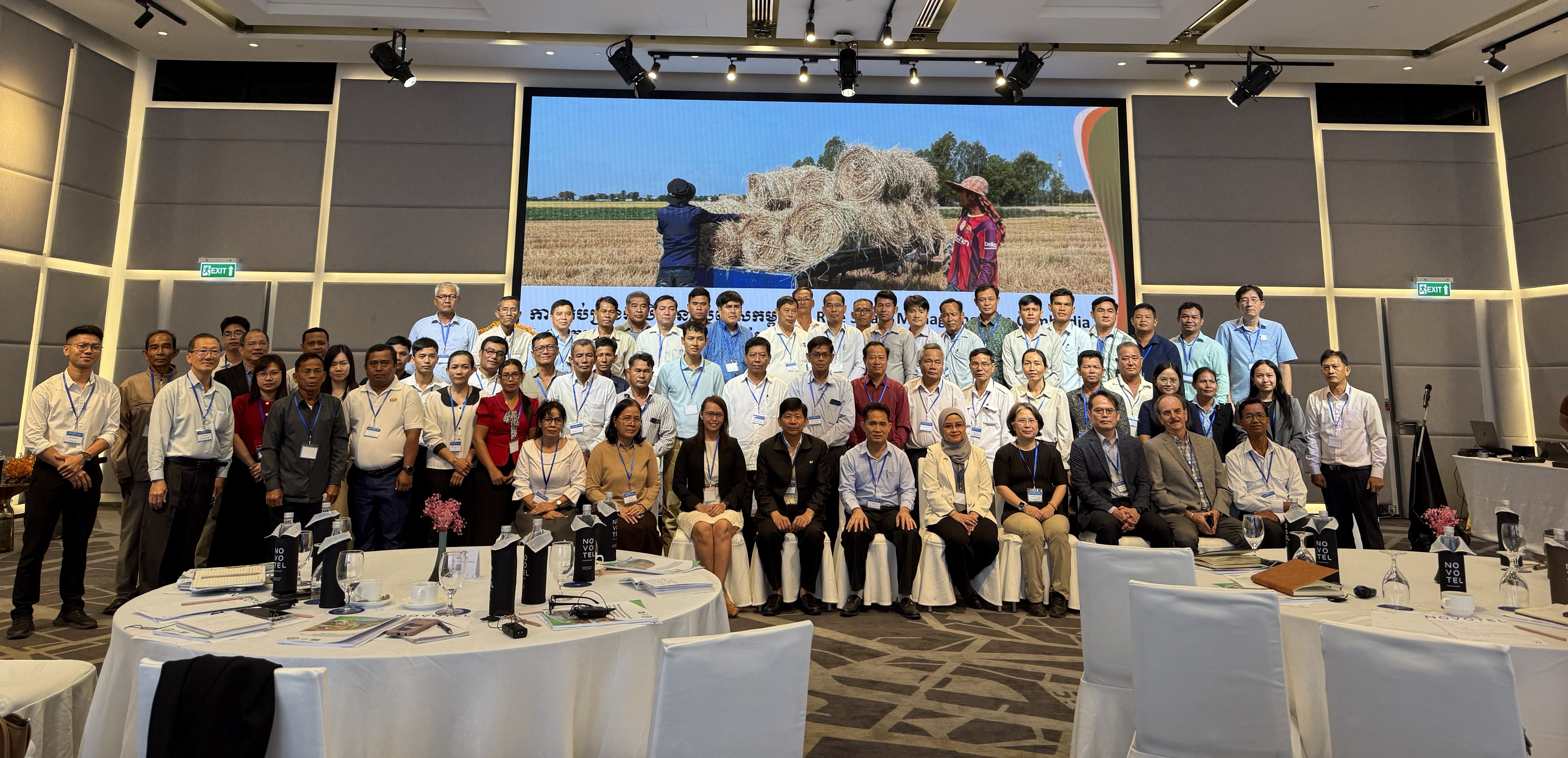
Phnom Penh, Cambodia – From July 24–25, 2025, a workshop titled “Rice Straw Management in Cambodia: Today’s Practices and Tomorrow’s Potential” brought together seventy representatives from government agencies, universities, research institutes, cooperatives, and NGOs in Phnom Penh. The goal was to foster dialogue, share knowledge, and develop a shared vision for sustainable and profitable rice straw management in Cambodia.
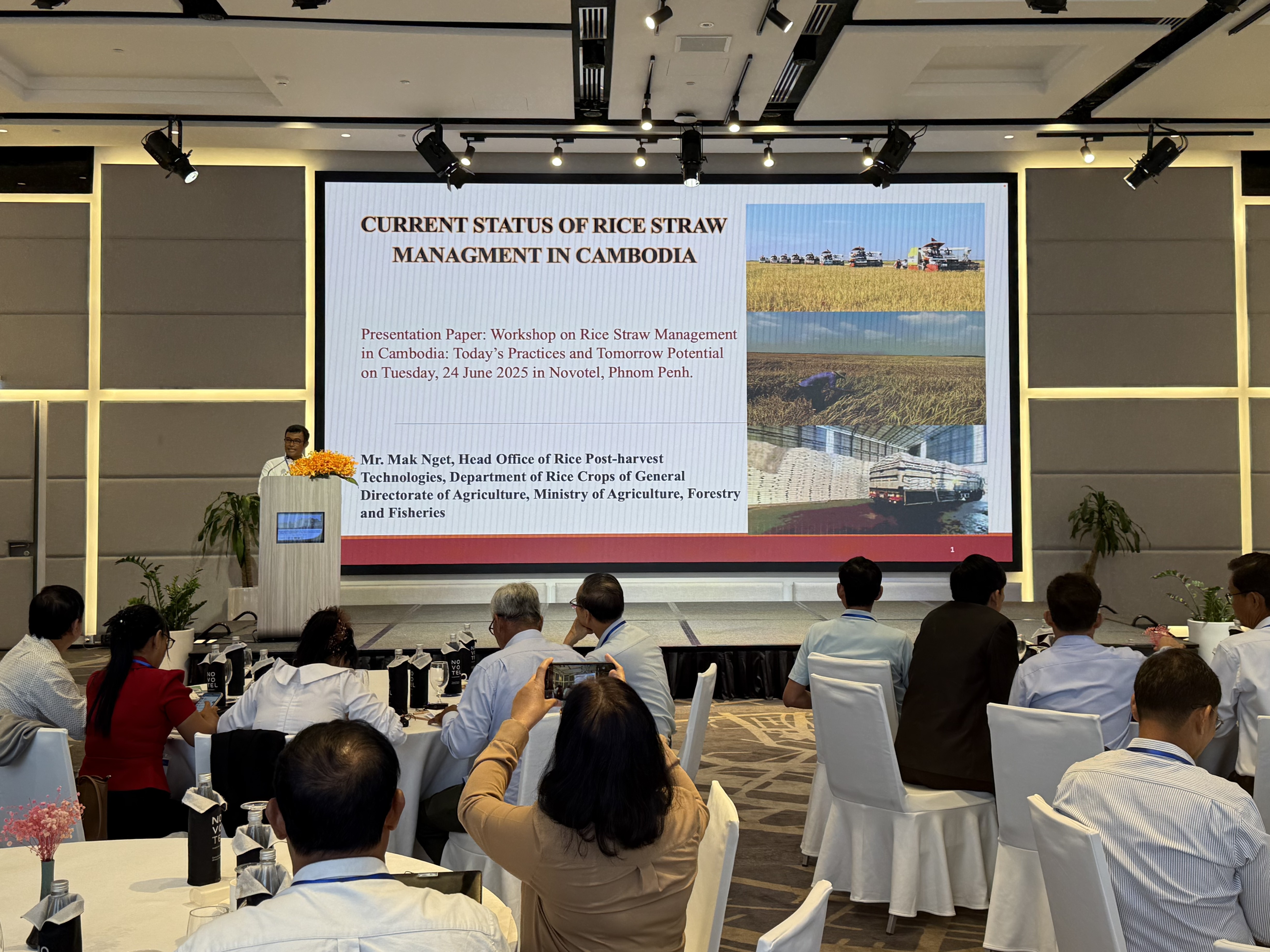
The first day featured presentations on the current status of rice straw management in Cambodia. Topics included key challenges, opportunities for sustainable use, and national strategies to deliver appropriate technologies and integrate farmers into sustainable rice production systems.
Case studies on mechanized composting, closed‑loop mushroom production, and zero‑tillage potato farming were presented with cost–benefit analyses. These showcased practical models that reduce straw burning while promoting sustainable valorization pathways for rice straw.
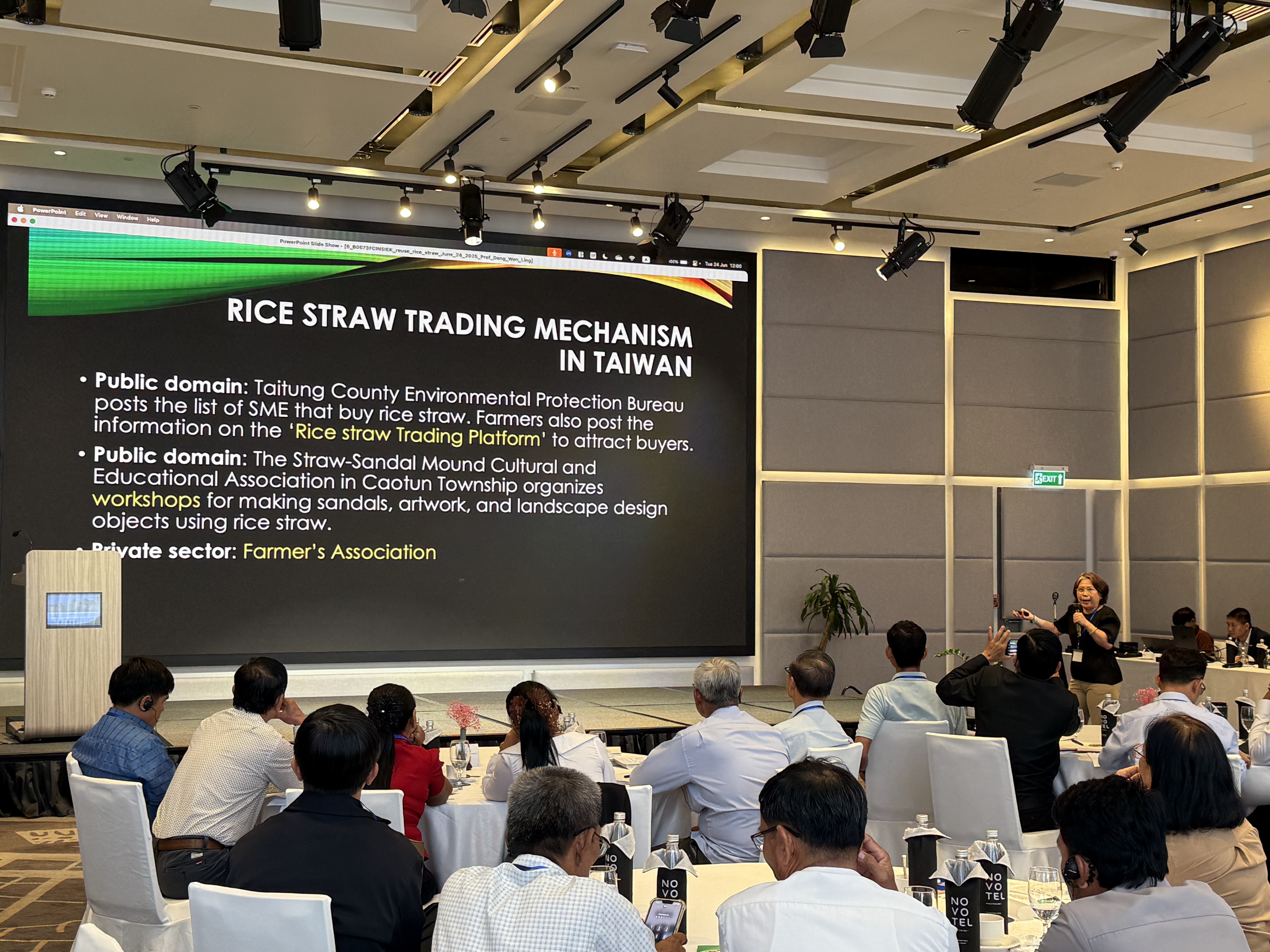
The workshop also offered an international perspective from Taiwan on innovative approaches that transform rice straw from waste into opportunities through industry, culture, and technological innovation.
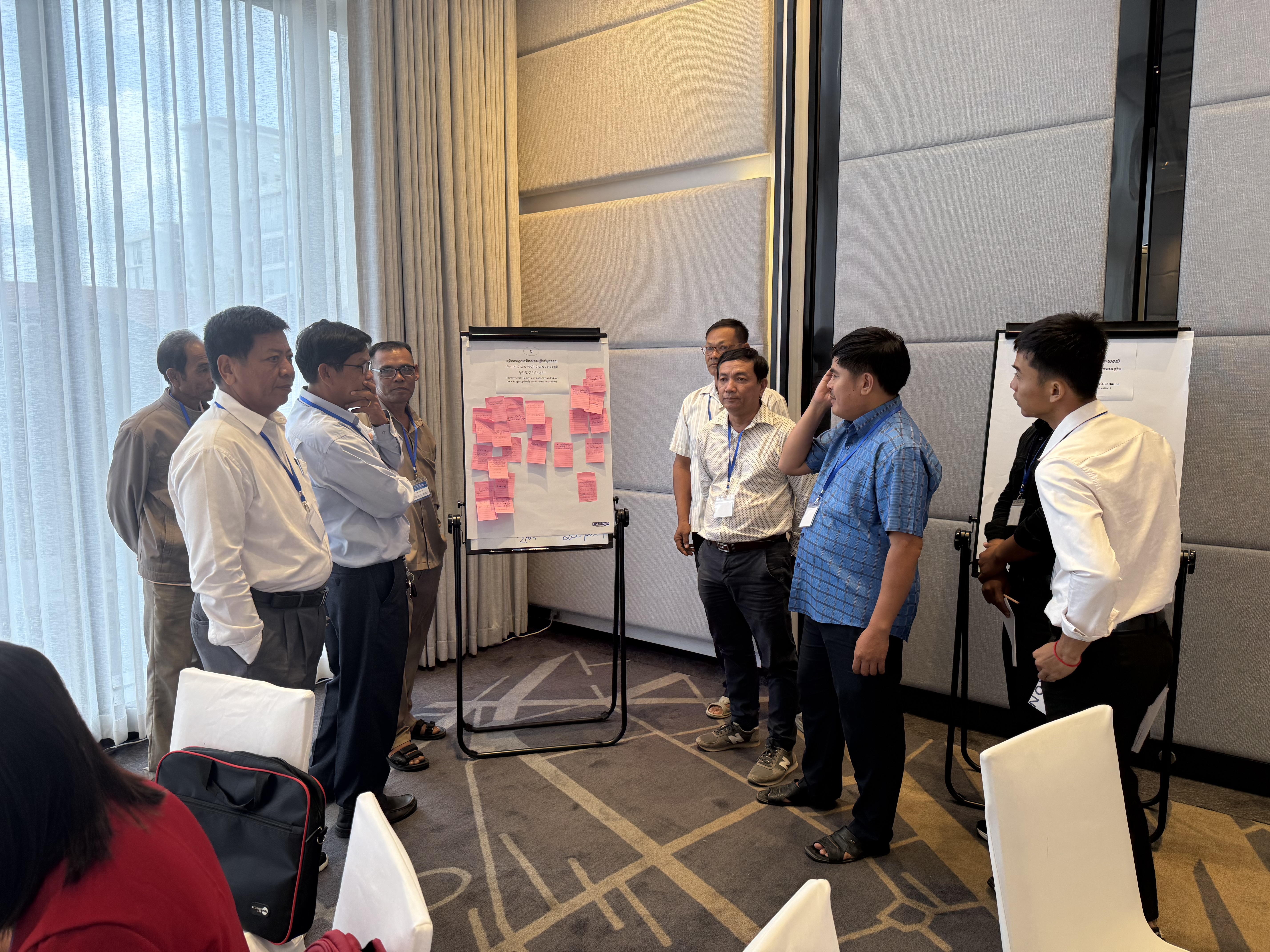
On the afternoon of the first day, participants identified and prioritized bottlenecks in rice straw‑based composting. Challenges were grouped under farming practices, market and policy system constraints, gender equality and social inclusion, partnership and coordination gaps, legal and governance barriers, financial accessibility, and low user confidence and awareness. Through productive discussions, attendees proposed practical solutions to overcome these obstacles.
The second day was dedicated to a study tour showcasing practical rice straw utilization models. Delegates visited two demonstration sites: one producing flower pots from rice straw at Cambodia Royal University of Agriculture.
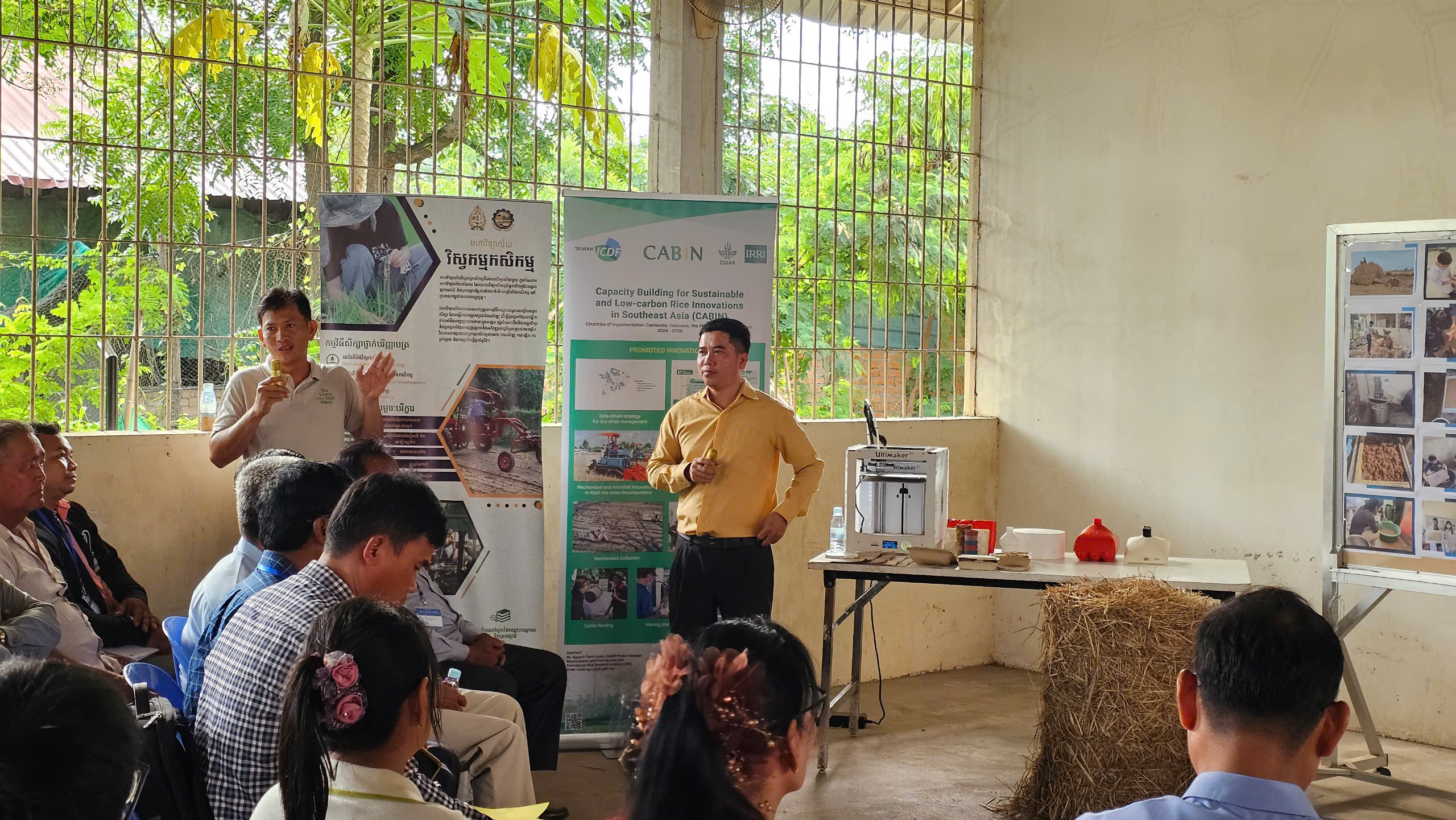
and another focusing on mushroom cultivation using rice straw as a substrate at a mushroom production farm in Takeo, Cambodia. These visits allowed participants to observe production processes in detail, including the transformation of rice straw into value‑added products. The tour also highlighted market potential, community involvement, and environmental benefits.
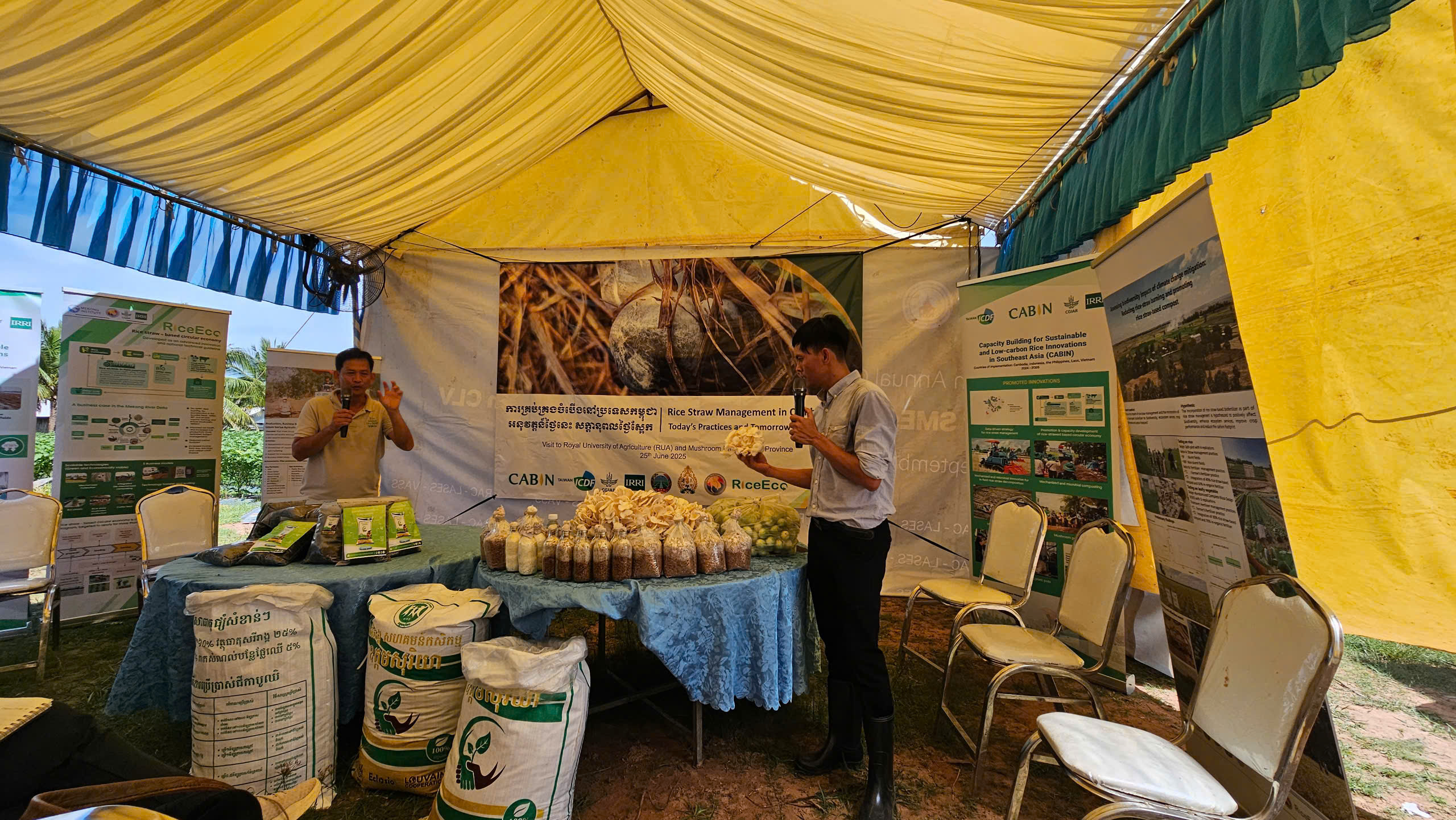
Following the site visits, participants engaged in reflective discussions to analyze the scalability of these models in Cambodia, the operational and financial challenges they face, and possible strategies to adapt and replicate them in local contexts. The study tour deepened participants’ understanding of practical applications and encouraged cross‑learning and exchange of ideas on sustainable rice straw management.
